
Should You Pay Off Debt First or Save Money? How to Decide Without the Stress
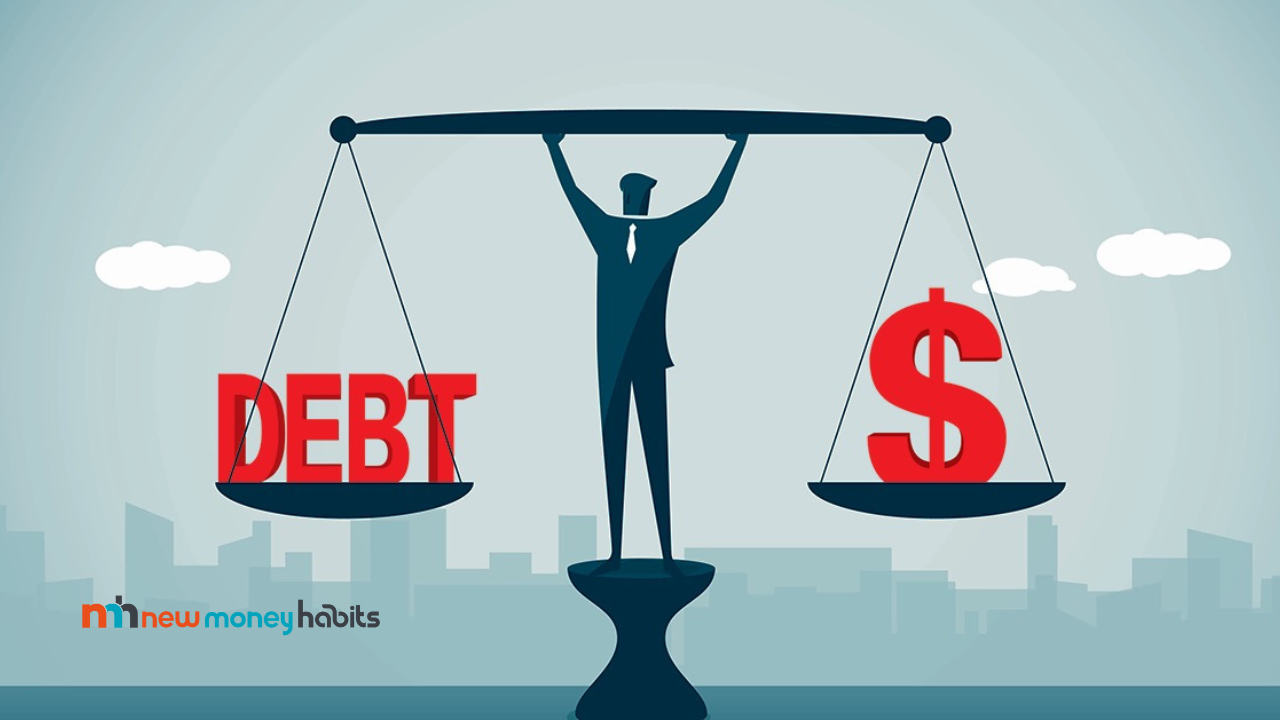
One of the most common—and confusing—money questions people face is this:
Should I focus on paying off debt first, or should I be saving money?
It’s a fair question. On one hand, debt feels heavy and urgent. On the other, not having savings can leave you feeling one emergency away from disaster. The truth is, this isn’t a one-size-fits-all decision—and forcing it into rigid rules often creates more stress than progress.
The good news? You don’t have to choose one extreme or the other.
With the right framework, you can make progress on debt and build peace of mind at the same time.
Why the “Debt vs. Savings” Debate Feels So Overwhelming
Most people get stuck here because financial advice is often delivered as absolutes:
-
“Always pay off debt first.”
-
“You must save before doing anything else.”
-
“Interest rates decide everything.”
But real life is messier than that.
Unexpected expenses happen. Income fluctuates. Emotions, habits, and past experiences all shape how we interact with money. When advice ignores those realities, it can leave you feeling stuck, guilty, or like you’re constantly doing it “wrong.”
The key isn’t finding the perfect rule—it’s choosing an approach that works in your actual life.
Principles Stay the Same—Execution Should Flex
Here’s an important distinction many people miss:
Financial principles are consistent. Financial execution should be flexible.
The principles—reducing high-interest debt, building savings, planning intentionally—don’t change. What does change is how you apply them based on your current situation, income stability, and stress level.
That’s why a phased approach works so well.
A Phased Approach to Debt and Savings
Phase 1: Build a Small Peace of Mind Fund
Before aggressively attacking debt, it’s critical to have a small savings buffer in place. This isn’t about building a massive emergency fund overnight—it’s about creating peace of mind.
A modest savings cushion helps prevent:
-
New debt when unexpected expenses pop up
-
Panic-driven financial decisions
-
The emotional burnout that comes from feeling financially exposed
Even a small fund can change how you experience money day to day.
Phase 2: Prioritize High-Interest Debt
Once you have some breathing room, it’s time to focus on the debt that costs you the most—typically high-interest credit cards or personal loans.
High-interest debt:
-
Drains your cash flow
-
Slows down long-term progress
-
Keeps you stuck in reaction mode
Paying this down strategically can free up money and momentum faster than almost anything else.
Phase 3: Address Low- or No-Interest Debt Thoughtfully
Not all debt needs to be treated the same way.
Low-interest or non-interest debt (like certain medical bills or structured payment plans) often allows for more flexibility. The goal here isn’t panic—it’s intentional progress.
This phase is about balance:
-
Continuing to reduce debt
-
Increasing savings
-
Creating a plan that supports stability and growth
Phase 4: Handle Charge-Offs and Old Debt Strategically
Charge-offs and older debts require a thoughtful approach. These situations are often more complex and emotionally charged, which is why having a plan—and support—matters.
The focus here is clarity:
-
Understanding what actually needs to be addressed
-
Avoiding fear-based decisions
-
Moving forward with confidence instead of avoidance
Why Rigid Rules Often Fail
When people try to follow strict money rules without considering their reality, a few things tend to happen:
-
Progress stalls
-
Shame creeps in
-
Motivation drops
That’s not a discipline problem—it’s a strategy problem.
Sustainable money habits are built through understanding, flexibility, and consistency—not pressure.
How to Apply This to Your Own Life
If you’re feeling torn between debt payoff and saving money, start here:
-
Acknowledge your current situation honestly
-
Build a small peace of mind fund
-
Create a phased plan instead of an all-or-nothing rule
-
Adjust as life changes
Progress doesn’t require perfection—it requires intention.
You Don’t Have to Navigate This Alone
Money decisions are easier when you have clarity, support, and people who understand what you’re working toward. Having trusted guidance can help you move forward without fear or confusion—and without feeling like you’re constantly behind.
The right plan doesn’t just reduce debt or grow savings.
It creates confidence.
Come find your people.
Come get the help and hope you deserve.
Come be part of a community that gets it—and gets you.
👉 Join the New Money Habits Community
-
Become a member starting at just $5/month
-
Or start your 7-day free trial today
You’ve tried doing it alone.
Now try doing it together.
Take Control of Your Money
🧾 Payday Power Planner (Free Download)
Whether you’re brand new to budgeting or have tried every system out there, managing your money doesn’t have to feel stressful or overwhelming. The Payday Power Planner helps you build realistic, sustainable money habits—so you can stop living paycheck to paycheck and start moving forward with confidence.
👉 Download your free Payday Power Planner
💬 Complimentary Strategy Session
Ready for personalized support? Our Complimentary Strategy Session is a one-on-one conversation with a financial coach designed to help you:
-
Gain clarity around your financial goals
-
Identify obstacles holding you back
-
Create a realistic, actionable plan tailored to your life
Whether you want to eliminate debt, build savings, or plan for a more secure future, this session is your first step toward meaningful change.
👉 Schedule your complimentary session today
🧰 Free Tools & Resources
Explore a growing collection of practical, easy-to-use tools designed to support real life, including:
-
Peace of Mind Fund Calculator
-
Seasonal Event Planner
-
Holiday Spending & Gift-Giving Planner
-
The New Money Habits Podcast
-
And more
All of these resources are completely free and built to help you make progress—without pressure or judgment.
👉 Explore free tools and resources
You don’t have to do money perfectly.
You just have to stop doing it alone.
We’re ready when you are.
#newmoneyhabits #debtfreeliving #financialclarity #moneymindset #personalfinance #budgetinghelp #financialconfidence
Create a Better Plan for Your Money
If you like these tips and really want to take control of your money, check out the New Money Habits Budget Bootcamp.
Budget Bootcamp teaches you how to establish peace of mind with your money by taking control of your income, paying your bills on time or early, and kicking debt to the curb.
