
Why Money Triggers Make Planning Feel So Hard
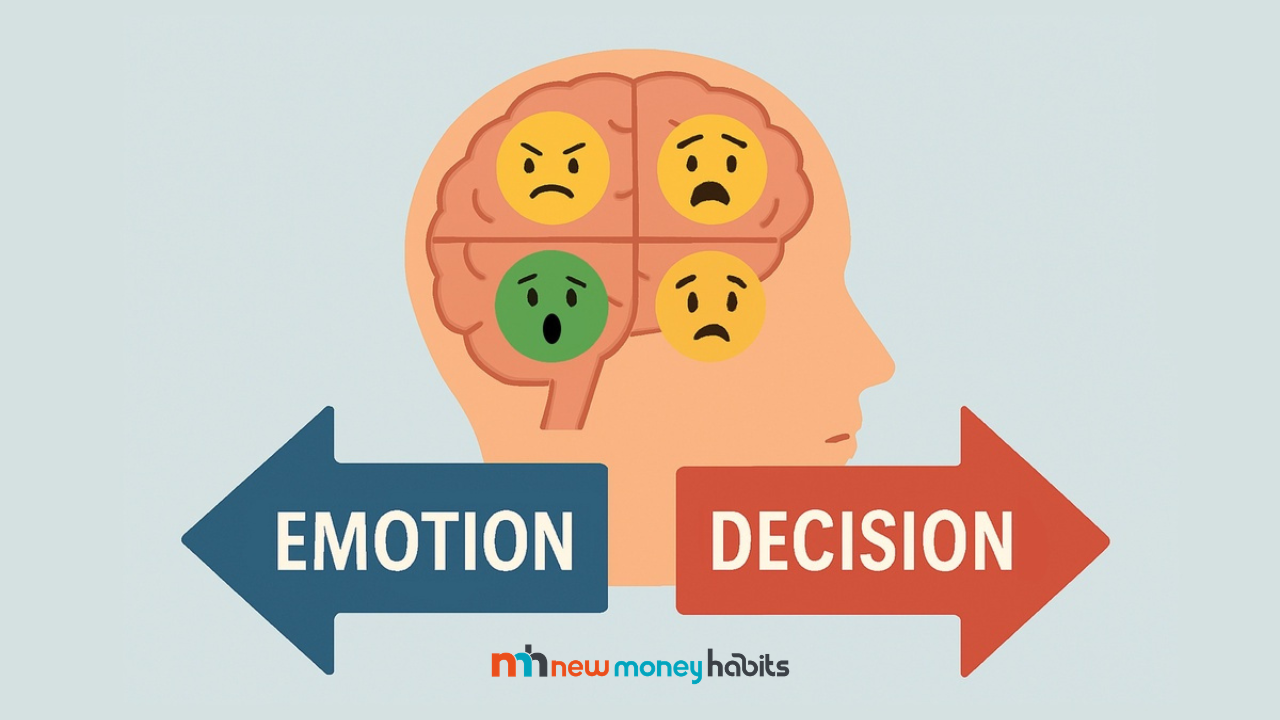
For most people, money stress doesn’t start with numbers.
It starts with a feeling.
A knot in your stomach when you think about spending.
A spike of anxiety when something unexpected comes up.
A quiet urge to avoid looking altogether.
If you’ve ever told yourself, “I’ll deal with it later,” you’re not alone.
And you’re not broken.
The Hidden Reason We Avoid Planning
Many people think they avoid budgeting because they’re bad with money.
In reality, they avoid it because planning forces awareness — and awareness can trigger uncomfortable emotions.
Planning brings future decisions into the present.
It asks questions like:
-
Will I have enough?
-
What if something goes wrong?
-
What if I mess this up again?
For some, those questions activate old money experiences, past mistakes, or deeply held beliefs about scarcity and security.
That’s not a math problem.
That’s a money trigger.
Money Triggers Shape Behavior More Than Budgets Do
A money trigger is any situation that sparks an emotional reaction around money — often without us realizing it.
For example:
-
Overspending after a stressful week
-
Avoiding your accounts when debt feels overwhelming
-
Panicking over “unexpected” expenses that happen every year
These reactions aren’t random.
They’re learned responses — subconscious scripts shaped by past experiences.
Until we become aware of them, we tend to react automatically:
-
Spend to soothe
-
Avoid to reduce anxiety
-
Ignore to escape discomfort
And then we blame ourselves afterward.
Why Planning Ahead Actually Reduces Emotional Stress
Here’s the paradox:
The very thing that feels uncomfortable at first — planning — is what eventually creates calm.
When you plan ahead for:
-
gift giving
-
spontaneous spending
-
debt payoff
-
everyday enjoyment
…you reduce the number of emotional decisions you have to make in the moment.
Planning moves decisions out of stress and into intention.
It creates space.
Not rigidity.
Not restriction.
Space.
Awareness Comes Before Change
One of the most important shifts you can make isn’t changing your budget — it’s changing how you notice your reactions.
Instead of asking:
-
Why am I so bad at this?
Try asking:
-
What am I feeling right now?
-
What’s being triggered for me?
-
What does this moment need — planning, permission, or pause?
This kind of awareness interrupts automatic behavior.
And once awareness is present, choice becomes possible.
This Is How Budgeteers Think Differently
Budgeteers don’t plan because they’re perfect.
They plan because they understand something important:
👉 Awareness reduces anxiety.
👉 Planning reduces pressure.
👉 Intention creates peace.
A Budgeteer is someone who chooses intention over impulse and progress over perfection — especially when emotions are involved.
That includes emotional spending.
That includes debt.
That includes generosity.
All of it.
A Gentle Shift to Try This Week
Before your next spending decision — big or small — pause and ask:
What am I feeling right now, and what would the intentional version of this decision look like?
You don’t need to fix everything.
You just need to notice.
That’s where new money habits begin.
Final Encouragement
You don’t need a stricter budget.
You don’t need more willpower.
You need:
-
awareness
-
a plan that makes room for real life
-
and compassion for the learning process
Progress doesn’t come from pressure.
It comes from safety.
And you’re allowed to build that, one intentional decision at a time.
#NewMoneyHabits #FinancialClarity #MoneyMindset #PersonalFinance #DebtFreeJourney #FinancialFreedom #MoneyManagement #BudgetingTips
#newmoneyhabits #debtfreeliving #financialclarity #moneymindset #personalfinance #budgetinghelp #financialconfidence
Create a Better Plan for Your Money
If you like these tips and really want to take control of your money, check out the New Money Habits Budget Bootcamp.
Budget Bootcamp teaches you how to establish peace of mind with your money by taking control of your income, paying your bills on time or early, and kicking debt to the curb.
