
Why Comparison Makes Travel Spending Harder
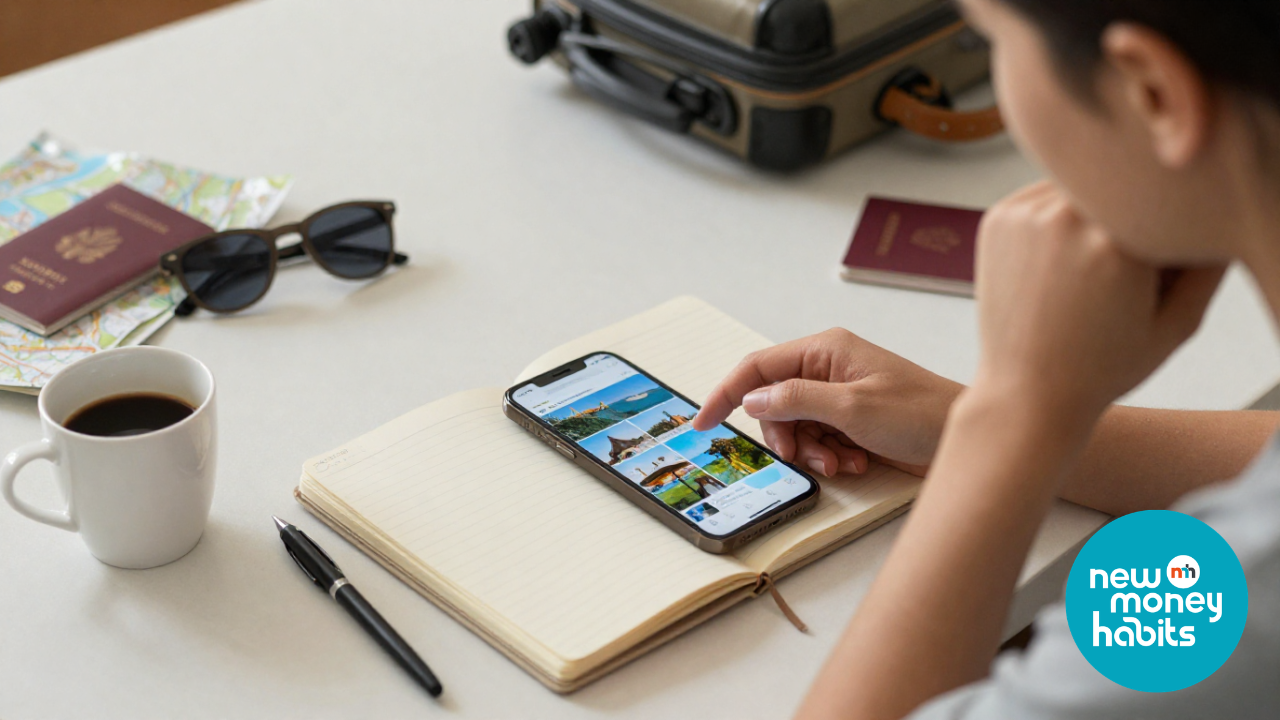
Comparison has a way of moving the finish line.
You may feel grateful for what you have, clear about what matters, and steady in the life you are building. Then you see where someone else traveled, what hotel they stayed in, what their family did, what they ate, what they wore, or how effortless the whole thing appeared from the outside.
Nothing about your actual life changed in that moment, but something may have shifted inside of you. The trip that felt meaningful can start to look too small. The budget that felt wise can start to feel restrictive. The simple plan that fit your life can begin to feel like it is missing something.
That is why comparison matters when we talk about travel with peace of mind. It does not just affect our emotions. It can quietly reshape what we believe a trip needs to be.
Comparison Chips Away Slowly
Most of the time, comparison does not feel dramatic.
It may not show up as obvious envy or resentment. Sometimes it feels like restlessness. Sometimes it feels like pressure. Sometimes it sounds like, “Maybe we should be doing more,” or “Why does everyone else seem to be able to travel like that?”
The danger is that comparison often works slowly. It chips away at contentment little by little until our normal life starts to look insufficient. The trip we could afford starts to feel less exciting. The plan we made starts to feel too simple. The budget that once felt responsible starts to feel restrictive because someone else appears to have more freedom.
When that happens, spending can become a way to close the gap between what fits our life and what we think our life should look like.
The Problem With Someone Else’s Highlight Reel
It has never been easier to see other people’s lives.
We can see their vacations, homes, celebrations, outfits, purchases, family moments, and milestones in a few seconds. But most of what we see is incomplete. We are usually looking at the visible part of the story, not the full picture.
We do not see the debt, stress, trade-offs, family tension, private grief, or financial decisions behind the image. We may not know whether what we are seeing was planned wisely, financed impulsively, gifted by someone else, or posted in a moment that does not represent everyday life.
But our hearts do not always pause to ask those questions. Sometimes we simply compare their visible moment to our ordinary life, and our ordinary life starts to feel like it is falling behind.
Travel Can Make Comparison Louder
Travel is one of the places where comparison can get especially loud.
You may see someone else’s beach photos, family trip, upgraded room, once-in-a-lifetime excursion, or perfectly curated weekend away and start wondering whether your own plans are enough. A trip that was meant to be restful can start carrying pressure to look a certain way, include certain experiences, or feel impressive enough to justify the money.
That is when travel spending can shift from thoughtful planning to emotional reacting. The question stops being, “What fits our life and values right now?” and becomes, “How do we make this feel like enough?”
That small shift matters, because money decisions made from comparison often leave us carrying pressure after the moment has passed.
Easy Access Makes It Harder to Pause
Comparison is not the only challenge. Buying has also become easier.
There was a time when spending money usually required more friction. You had to drive somewhere, walk through a store, make a decision, stand in line, and feel the purchase happen. Now a purchase can happen in seconds, often from the same device that just showed us what someone else has or where someone else went.
That matters because comparison and convenience can work together. First, we see something that makes us feel like we are missing out. Then, almost immediately, we have access to buy something that promises to make the feeling go away.
Around travel, that might look like upgrading the room, adding the extra activity, buying things before the trip, saying yes to convenience spending, or putting more on the credit card because the experience suddenly feels like it needs to be bigger than what we originally planned.
The purchase may seem small. The decision may feel harmless. But over time, those moments can shape the way travel feels before, during, and after the trip.
Gratitude Gives Us a Different Place to Stand
Gratitude does not mean we ignore what is hard or pretend we never want anything different.
It means we practice noticing what is already true before comparison tells us a different story. It helps us remember what has been provided, what has been built, what has been healed, and what has already changed.
That kind of gratitude can protect us from making money decisions from a place of discontentment. When we are grounded in what we have, we are less likely to spend just to prove that we are not behind.
Gratitude gives us a different place to stand before we decide what the next trip, purchase, upgrade, or experience actually needs to be.
Shrink the Influence
One practical step is to shrink the influence.
That may mean spending less time around content that constantly makes your life feel insufficient. It may mean unfollowing accounts that stir up comparison, limiting shopping apps, unsubscribing from emails that keep creating urgency, or being more intentional about who you allow to shape your picture of success.
This is not about hiding from the world. It is about being honest about how we are being formed.
If something consistently makes you feel less content, less grateful, or more pressured to spend, it may be worth asking whether that influence deserves as much access as it currently has.
Compare Differently
Not all comparison has to be destructive.
There are people we can learn from, admire, and be encouraged by. The difference is whether comparison is pulling us toward envy or toward wisdom.
Instead of comparing what someone has or where they went, it may help to notice how they live. What values do they seem to practice? What kind of character do they show? What habits are worth learning from? What wisdom can be observed without turning their life into a measuring stick for yours?
That kind of comparison does not have to steal contentment. It can help shape growth.
Bring It Back to Your Own Life
A helpful question to ask is simple: “What am I actually grateful for right now?”
Not in theory. Not in a vague way. Actually name it.
It may be provision, a relationship, a home, a meal, a paid bill, a repaired car, a quiet morning, a small step of progress, or the fact that you are beginning to pay attention to your money in a different way.
If you are planning travel, it may also mean naming what would make the trip meaningful before comparison starts adding pressure. Maybe the point is rest. Maybe it is time with family. Maybe it is connection, memory-making, or simply stepping away from routine for a little while.
When you know what the trip is really for, it becomes easier to decide what deserves your money and what is only trying to compete for your attention.
Enough Needs to Be Protected
Contentment does not always come naturally, especially in a culture that constantly shows us more.
That is why enough has to be protected. Gratitude has to be practiced. Influence has to be considered. Spending decisions have to be slowed down long enough to ask whether we are responding to a real need or reacting to comparison.
Whether you are planning a trip, resetting your spending, or simply trying to notice what has been shaping your sense of enough, the goal is not to keep up with someone else’s life. It is to make decisions from a place of clarity, gratitude, and peace.
You do not have to do this perfectly. But you can begin noticing what is shaping your sense of enough.
And sometimes that small shift is where a healthier money decision begins.
You Don’t Have to Navigate This Alone
Money decisions are easier when you have clarity, support, and people who understand what you’re working toward. When you’re not trying to figure everything out on your own, the next step usually feels a little more manageable.
That’s why we created the New Money Habits Community — a place to keep learning, ask real questions, and stay connected with people who are working toward healthier money habits too.
Memberships start at just $7/month, or you can begin with a 7-day free trial.
Start with a Simple Plan
If you want a practical place to begin, download the Payday Power Planner. It helps you see what’s coming in, what’s going out, and what still needs your attention before the next paycheck arrives.
It’s a simple way to stop guessing and start making clearer decisions with your money.
Talk It Through with a Coach
Sometimes it helps to sit down with someone and look at your situation together. A Complimentary Strategy Sessiongives you a chance to get clear on your goals, identify what’s been holding you back, and think through a plan that fits your life.
Whether you’re focused on paying off debt, building savings, or simply getting organized, this is a practical next step.
Explore More Free Tools
We’ve also created a growing collection of simple tools and resources designed for real life, including the Peace of Mind Fund Calculator, Seasonal Event Planner, Holiday Spending & Gift-Giving Planner, and The New Money Habits Podcast.
Everything is built to help you make progress without pressure.
Explore free tools and resources
You don’t have to do money perfectly. You just have to stop doing it alone.
We’re ready when you are.
#newmoneyhabits #christcenteredstewardship #travelplanning #contentment #gratitude #moneymindset #mindfulspending #financialclarity #moneyhabits #financialstewardship #personalfinance
Create a Better Plan for Your Money
If you like these tips and really want to take control of your money, check out the New Money Habits Budget Bootcamp.
Budget Bootcamp teaches you how to establish peace of mind with your money by taking control of your income, paying your bills on time or early, and kicking debt to the curb.
Recent Posts
