
Mindful Spending Starts Here
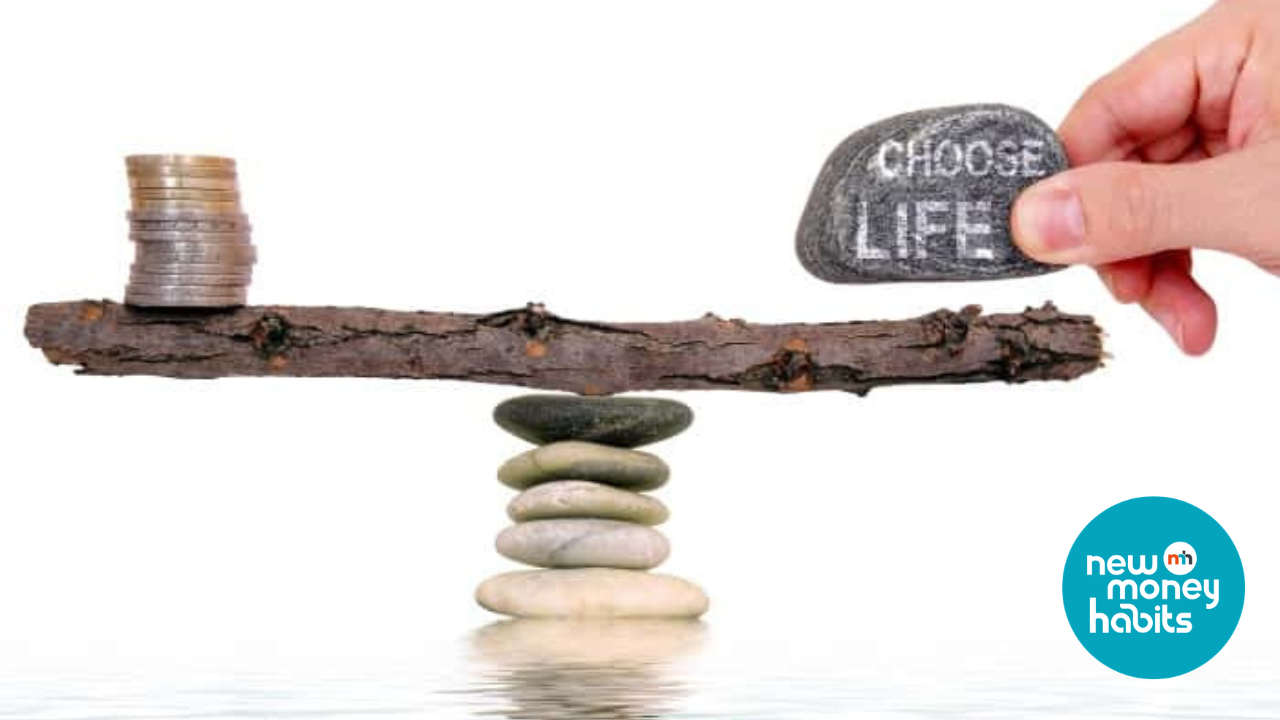
Spending Isn’t the Problem
A lot of people think the goal is to spend less, whether that means less on coffee, less on groceries, less on convenience, or less on anything that feels a little extra. On the surface, that sounds responsible. But the more I think about it, the more I think that’s not really the issue.
What tends to cause trouble is not spending itself. It’s wasting.
That distinction came through clearly in a recent Christ Centered Stewardship conversation, where Maria said, “spending is not the problem. Wasting is the problem” It’s a different lens, and once you make that shift, the question changes. Instead of asking, “Should I spend this money at all?” you start asking, “Would this be a wise use of money, or would it be a waste?” That is usually a much better question.
Why This Matters More Than People Think
A lot of financial stress doesn’t come from one big decision. It usually comes from smaller ones that happen quickly and without much thought.
That was one of the key themes in the three-part conversation with Mary Ann Stenquist on mindful spending. Most people don’t need more guilt around spending. What they need is a little more space between the impulse and the decision, because once you slow things down, you start to notice something important. Some spending is thoughtful, some spending is reactive, and some spending is really just waste dressed up as convenience, habit, or justification.
That does not mean every purchase has to be stripped down to the cheapest version of itself. In fact, that way of thinking can backfire.
Cheap Isn’t Always Wise
One of the most interesting parts of the CCS conversation was the example of ice cream. Buying the cheapest option might sound frugal, but if you don’t enjoy it and it ends up in the trash, that wasn’t wise spending. It was waste
The same could be true of shoes, food, gym memberships, or coffee. Sometimes spending a little more is the wiser choice if it actually serves its purpose, supports your health, or helps you stay consistent. The issue is not always whether something costs money. The issue is whether it brings value, clarity, nourishment, connection, or usefulness. That’s what mindful spending helps you see more clearly.
The Difference Between a Treat and a Habit
This came up in the transcript too. Coffee wasn’t really the issue. The question was what the coffee represented.
Was it a moment of connection with a friend? Was it a personal treat that was genuinely enjoyed? Or was it just a reflex, something picked up in the drive-thru without much thought because that’s what always happens on the way home?
Those are not the same thing, even if the dollar amount is similar. The purpose behind the purchase matters, and that’s where mindful spending becomes so helpful. It helps you distinguish between a purchase that is aligned, a purchase that is useful, and a purchase that just happened. That kind of awareness changes how you spend without turning every decision into something heavy.
Planning for Spontaneity Is Part of Wisdom
Another strong theme from the Mary Ann conversation was planning for spontaneity.
That sounds backward at first, but it’s actually practical. A lot of spending problems happen because life happens and there’s no margin for it. So when something small comes up, it feels like a problem. The decision gets rushed, reactive, or hidden in a category that was never meant to carry it.
Mindful spending does not mean removing all freedom. It means making room for real life in a way that doesn’t throw everything else off. That’s why thoughtfulness matters so much. Not every spontaneous expense is wasteful, but spontaneity without awareness often becomes expensive.
No Spend vs. No Waste
“No spend” is catchy. It gets attention, and it gives people something to rally around.
But “no waste” is probably the better long-term mindset, because we all have to spend. We buy food, replace shoes, care for our families, and pay for things that support our health, our work, our homes, and our relationships. The goal is not to become afraid of spending. The goal is to become more intentional with it.
That means you stop assuming the cheapest option is always the best one. It means you stop calling every desire a need just to justify it. And it means you learn to ask better questions before money leaves your hands.
A Better Question to Ask
Before a purchase, instead of asking, “Am I allowed to spend this?” try asking, “Would this be a wise use of money, or would it be waste?”
That question tends to bring a little more calm to the decision. It is clearer, more grounded, and usually gets closer to the truth. When spending is intentional, it starts to look a lot more like stewardship.
And when stewardship becomes the goal, money decisions begin to feel less reactive, less emotional, and a lot more grounded.
You Don’t Have to Navigate This Alone
Money decisions are easier when you have clarity, support, and people who understand what you’re working toward. When you’re not trying to figure it all out on your own, things tend to feel a lot more manageable.
The right plan doesn’t just reduce debt or grow savings. It creates confidence.
Come find your people. Come get the help and hope you deserve. Come be part of a community that understands what you’re working through.
👉 Join the New Money Habits Community
Memberships start at just $7/month, or begin with a 7-day free trial.
You’ve tried doing it alone. Now try doing it together.
🧾 Payday Power Planner (Free Download)
Managing your money doesn’t have to feel stressful or overwhelming. The Payday Power Planner helps you build realistic, sustainable habits so you can stop guessing and start moving forward with clarity.
👉 Download your free Payday Power Planner
💬 Complimentary Strategy Session
If you’re ready for personalized support, this is a simple place to start. A one-on-one conversation with a financial coach can help you get clear on your goals, identify what’s been holding you back, and build a plan that fits your life.
Whether you’re focused on paying off debt, building savings, or just getting organized, this is a practical next step.
👉 Schedule your complimentary session
🧰 Free Tools & Resources
We’ve created a growing collection of simple tools designed for real life, including the Peace of Mind Fund Calculator, Seasonal Event Planner, Holiday Spending & Gift-Giving Planner, and The New Money Habits Podcast.
Everything is free and built to help you make progress without pressure.
👉 Explore free tools and resources
You don’t have to do money perfectly. You just have to stop doing it alone.
We’re ready when you are.
Create a Better Plan for Your Money
If you like these tips and really want to take control of your money, check out the New Money Habits Budget Bootcamp.
Budget Bootcamp teaches you how to establish peace of mind with your money by taking control of your income, paying your bills on time or early, and kicking debt to the curb.
